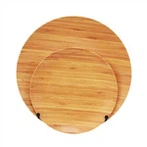
Melamine tableware is also known as melamine tableware and melamine tableware. It is a new type of tableware that is internationally popular. Since its launch, it has been popular for its non-toxic, tasteless, non-breaking, non-deformation, impact resistance, acid and alkali resistance, etc. People's love has been widely used in the catering industry.
Explanation of the raw materials of melamine tableware. Melamine tableware is made of melamine resin powder by heating and die-casting. The raw materials it uses are A1, A3, and A5. A1 material contains 30% melamine resin, and 70% of ingredients are additives, starch, etc. Although the tableware produced from this raw material contains a certain amount of melamine, it has the characteristics of plastic, is highly toxic, and is temperature resistant. It has poor performance, changeability, and poor gloss. The difference is very obvious.
Melamine tableware raw material explanation——A3 material contains 70% melamine resin, and the other 30% ingredients are additives, starch, etc. The appearance and color of tableware produced from A3 material is not much different from that of A5 material. People may not be able to tell the difference at first, but once the tableware made of A3 raw material is used, it will be obvious that it is easy to change color, fade, and deform at high temperatures. The raw material of A3 is cheaper than that of A5. There are also many illegal manufacturers who use these raw materials to produce tableware as authentic products. Therefore, consumers must be cautious when buying tableware.
Melamine tableware raw material explanation——A5 raw material is 100% melamine resin, and the tableware produced with A5 raw material is pure melamine tableware. Its characteristics are very obvious, non-toxic and tasteless, and light and heat preservation. It has the luster of ceramics, but it is better than ceramics. It is resistant to bumps, not fragile, and has an exquisite appearance. The temperature range is between -30 degrees Celsius and 120 degrees Celsius, so it is widely used in catering and daily life.