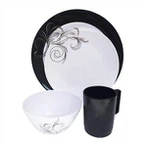
(1) During use, the temperature should not exceed 120°C, and it should not be used in microwave ovens and high-temperature disinfection cabinets, and should not be used in an environment with a large temperature difference, otherwise it will easily cause cracking; do not contain oily or acidic substances;
(2) When cleaning melamine tableware, use a soft cloth. Do not use objects such as scouring pads, steel wire balls and decontamination powder to clean the surface of the tableware, because they will scratch the surface of the tableware and cause It is more susceptible to contamination;
(3) Try not to put the melamine tableware in the pot for cooking food, because the toxic substances that may be contained in the colorful patterned tableware may be precipitated under high temperature;
(4) Even if qualified melamine tableware is purchased, it should be treated before use. On the one hand, it can be disinfected and sterilized. On the other hand, it can also promote the dissolution or generation of residual harmful substances. You can boil it with white vinegar or water for about 5 minutes. Then let the dishes soak to cool down naturally.
(5) In the course of use, once the tableware is cracked, discolored, deformed, scratched, etc., it should be stopped immediately.
At present, there are many melamine tableware brands on the market, so consumers only need to pay attention to the following points when purchasing:
Go to regular stores and supermarkets to buy, never buy at cheap stalls;
When purchasing, check whether the tableware is obviously deformed, whether there is color difference, whether there is spot, whether there is variegated color, if there is any such situation
It may be made of recycled materials; it depends on whether the surface is smooth, whether the bottom is flat, and unevenness is easy to crack during use; if the meal has a color, you can wipe it back and forth with a white paper towel to see if the color is faded. Generally, it is better to choose a light color to prevent the purchase of products processed with recycled materials;
If there are decals on the tableware, check whether the pattern is clear, whether there are wrinkles and bubbles, and try not to have flowers on the food contact surface
Color patterns, and smell whether the tableware has a pungent odor to prevent formaldehyde residue.